News Details
05
Oct
Occupational Health and Safety in the Solar Industry
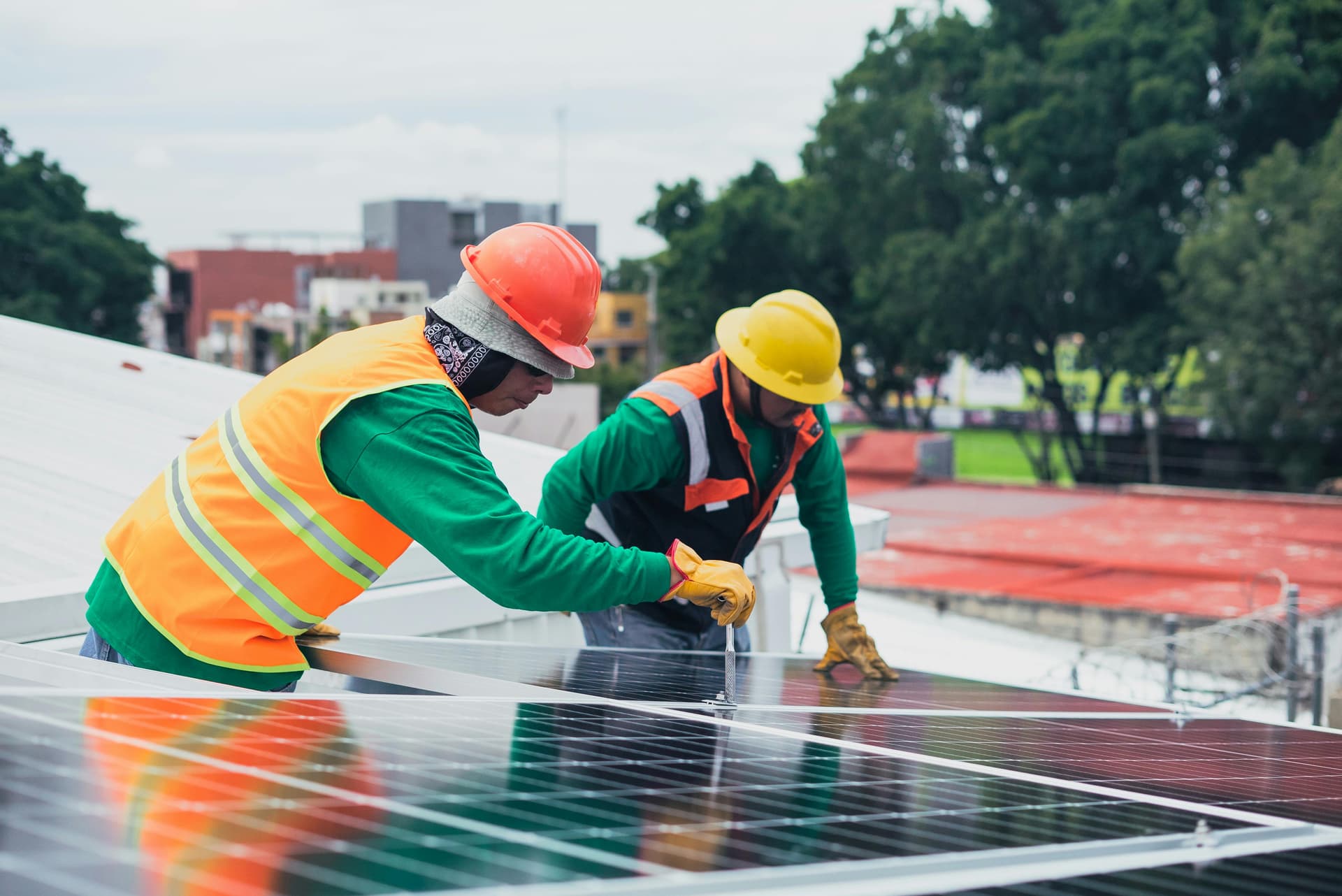
When we talk about solar energy, we talk about its environmental benefits, carbon reduction, and sustainability. But to build the solar system, there is a team of workers whose safety is as important as the environment. A safe and healthy environment is one of the fundamental aspects of every work. Occupational Health and Safety is a multidisciplinary field that prevents the occurrence of occupational accidents and diseases by creating a safe and healthy working environment where risks and hazards are eliminated or reduced. [1] In the Solar Industry, workers face health and safety hazards in every stage, from manufacturing, installation, and maintenance to end-of-life management, making OHS a critical priority.
During the manufacturing of Solar Panels and batteries, workers may be exposed to different risks. So, to reduce these risks, employers should provide appropriate Personal Protective Equipment (PPE), implement a shift system to avoid long-term exposure to chemicals, and adopt an automated system wherever possible, especially when handling hazardous materials.
The workers also face significant electrical hazards. While installing or performing maintenance, unexpected energization or startup of equipment can cause electrical shock, making proper lockout/tagout practices essential. Approximately 3 million workers service equipment and face the greatest risk of injury if lockout/tagout is not implemented. [2] Workers are exposed to electric shock and burns when hooking up the solar panels to an electric circuit. Use of Lithium-ion batteries introduces additional hazards due to thermal runaway. Batteries contain flammable electrolyte with stored energy, which causes thermal runaway. [5]This can be initiated by an internal short circuit due to manufacturing defects, mechanical damage to the battery, exposure to excessive heat or cold, and improper charging. The thermal runaway can lead to fire, explosion, and release of toxic gas, leading to a chemical hazard. So, while installing the BESS system, there should be proper ventilation, visual warning devices, and different monitoring and detection tools. [6] Also, the improper disposal of PV panels and batteries can lead to the release of dangerous chemicals into the environment.
Clean energy should also mean safe and healthy energy. The solar industry should lead in terms of sustainability, reliability, and a safe working environment. A strong OHS culture is not just a compliance, but it also protects lives, enhances productivity, and builds trust within the workforce. Recruiting and educating qualified employees, mandating PPE usage, consistently applying safety measures, and fostering a culture that prioritizes OHS will guarantee a genuinely sustainable future. Sustainable development also means safeguarding the individuals who contribute to it.

Leave a Reply
Your email address will not be published. Required fields are marked *